
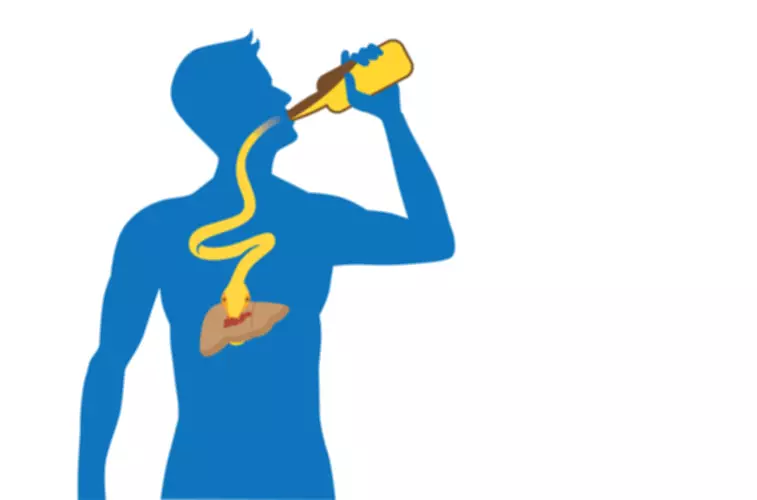
While the chemical effects of alcohol play a significant role in its addictive nature, psychological factors also contribute to the development and maintenance of alcohol addiction. These psychological factors often intertwine with the pleasurable effects of alcohol, creating a complex relationship. Detoxification under medical supervision is the first step, followed by long-term counseling and lifestyle changes to maintain sobriety. Alcohol is addictive because the brain becomes used to it in order to function properly. The neurotransmitters and endorphins released act as a reward system for the brain.
Alcohol and Cialis: Risks, Side Effects & Treatment
This leads to decreased pleasurable effects and alcohol dependence, as the https://ecosoberhouse.com/ person needs alcohol to feel normal. If you feel that you sometimes drink too much alcohol, or your drinking is causing problems, or if your family is concerned about your drinking, talk with your health care provider. Other ways to get help include talking with a mental health professional or seeking help from a support group such as Alcoholics Anonymous or a similar type of self-help group.
Why Is Alcohol Addictive for Some People and Not Others?

Only the tendency toward alcoholism can be inherited; having inherited genes from alcoholic parents does not guarantee an alcoholic lifestyle. In a nutshell, alcohol can manipulate the brain; thus resulting in a false sense of happiness in the user. As alcohol increases the feelings of pleasure, at the same time, it is turning off areas of the brain that handle decision making and impulse control.
Psychological and Emotional Factors
- Our environment and experiences play a huge role in shaping our relationship with alcohol.
- Those who suffer from mental health conditions like depression, anxiety, or trauma may also use alcohol as a way to self-medicate, which can easily spiral into addiction.
- The National Institute on Alcohol Abuse and Alcoholism has an extremely helpful questionnaire on their site.
- Over time, this can create a cycle of dependency and exacerbate the psychological symptoms.
- You don’t have to look far to see a billboard encouraging you to enjoy a cold, refreshing beer or a frosty margarita.
- Drinking in social settings, after work, or as part of a routine derives a habitual pattern.
- Tampa Bay Recovery Center offers highly effective detox and outpatient programs that help people battle their alcohol addiction and win.
Social drinking is a loosely defined term that can easily lead to consuming too much alcohol or drinking too often. With repeated alcohol drinking, the brain and body become accustomed to its effects, instigating tolerance. This means that a person needs to consume larger quantities of alcohol to achieve the same effects. Tolerance escalates quickly, accelerating the risk of alcohol dependence as individuals continue to drink more alcoholism in search of the desired effects. ASSIST demonstrates 90% accuracy in identifying individuals at risk for substance use problems across diverse populations, as recounted by World Health Organization (WHO) research data. The physical factors that make alcohol addictive are the release of dopamine, changes in neurotransmitter levels, building tolerance, triggering withdrawal symptoms, and altering brain structure.
Risk and Protective Elements Influencing Drug Usage

Alcohol addiction is a complex and multifaceted issue that stems from a combination of biological, psychological, and environmental factors. The addictive nature of alcohol is rooted in its ability to affect the brain’s reward system and lead to changes in brain chemistry. Additionally, genetic predispositions, social influences, and psychological factors play a significant role in the development and progression of alcohol why is alcohol so addictive addiction. Alcohol addiction is influenced by a combination of genetic and environmental factors. Research suggests that genetics plays a significant role in predisposing individuals to alcohol addiction.